
Transforming Early Childhood Education in Mafi-Luta, Ghana
In Ghana’s North Tongu District lies the rural community of Mafi-Luta, a place where children’s futures are shaped long before they reach the wider world. Like many rural areas across Ghana, Mafi-Luta reflects both national progress in education and the persistent inequalities that remain between urban and rural communities.
Across Ghana, early childhood education has expanded significantly, with about 70% of children aged 3–5 enrolled in preschool programmes as of 2026. However, access to quality learning environments, trained teachers, and adequate infrastructure remains uneven, particularly in rural areas where schools often operate with limited resources.
Ghana’s 2026 education priorities continue to emphasise early childhood development as the foundation for lifelong learning, recognising that the earliest years of life are critical for cognitive, emotional, and social growth. Yet for many children in communities like Mafi-Luta, this promise is constrained by inadequate school facilities.
The Challenge in Mafi-Luta
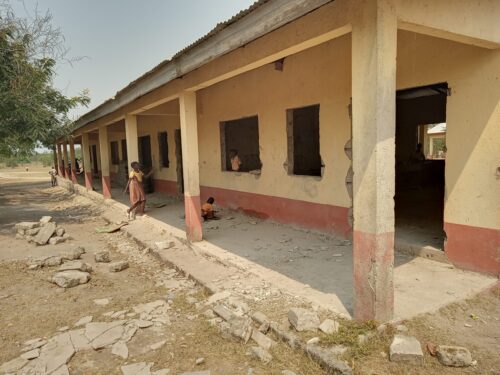
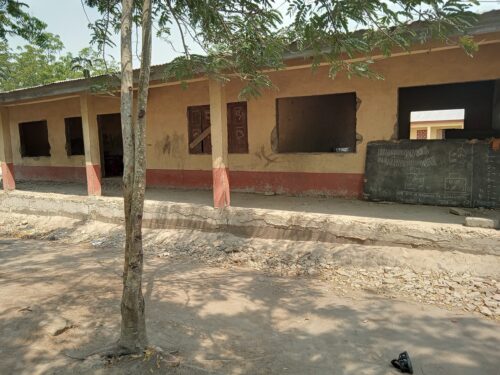
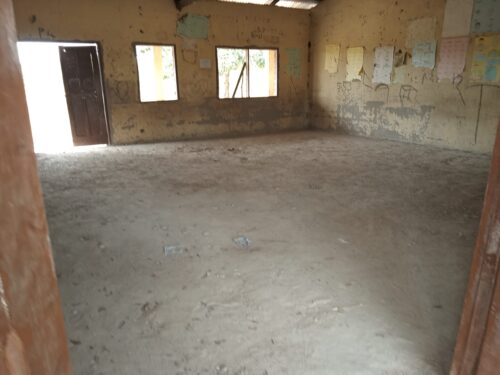
At Mafi-Luta D/A Basic School, 35 kindergarten children currently learn in a fragile mud-constructed classroom. The structure is vulnerable to weather conditions, lacks proper ventilation, and provides an environment that is not conducive to focused learning or healthy development.
This reflects a wider rural education challenge in Ghana: while enrolment rates have improved nationally, learning outcomes remain uneven, and many children complete early grades without strong literacy and numeracy foundations.
For children in Mafi-Luta, the challenge is not access to school but it is access to quality education in a safe and enabling environment.
The Solution: A Purpose-Built Early Learning Environment
This project will replace the current structure with a three-unit kindergarten facility, designed specifically for early childhood education.
Each classroom will provide:
- Safe, weather-resistant learning conditions
- Child-centred and flexible learning spaces
- Age-appropriate desks, furniture, and teaching materials
- Opportunities for play-based, interactive learning
The design aligns with Ghana’s broader early childhood development priorities, which emphasise holistic learning environments that support health, education, and emotional wellbeing.
Complementary Community Education Initiatives
Beyond classroom construction, Child Survival Aid Ghana are committed to strengthening the broader learning ecosystem through targeted initiatives that address key barriers to education in rural communities.
School Desks Project: Creating a better learning environment by providing students with proper school desks, ensuring they have a comfortable and conducive space for studying. Many rural classrooms in Ghana still rely on overcrowded or inadequate seating arrangements, which negatively affect posture, concentration, and learning outcomes. An improved basic classroom furniture, creates dignity and focus in the learning experience.
Water & Sanitation Project: Access to clean water and proper sanitation is essential for student health, attendance, and overall wellbeing. Safe water sources and improved sanitation facilities in schools reduces illness-related absenteeism, supports menstrual hygiene management for girls, and creates a safer, healthier school environment for all learners.
Girls' Reading Club Program: This initiative is designed to encourage and empower young girls to develop a strong love for reading. Through structured reading groups, mentorship, and peer support, this program creates a safe and supportive space where girls can build literacy skills, confidence, and self-expression. The program also helps address gender disparities in education by fostering long-term academic engagement and ambition.
Building a Community Around Learning
Education is most effective when it extends beyond the classroom. This project actively engages parents, teachers, and community members to ensure that learning is supported at home and valued across the community.
Strengthening these relationships creates a culture where education is seen not only as a school responsibility, but as a shared community investment.
Delivered Through Local Expertise
 Since 2012, Child Survival Aid Ghana (CSAG) has been on a mission to bring hope and education to children in rural Ghana. We believe every child, no matter their background, deserves a chance to learn and grow. Through our work, we’ve seen how quality education opens doors and helps children reach their potential.
Education is more than books and classrooms. It unlocks better opportunities, stronger families, and personal freedom. It changes communities and shapes futures beyond the individual. Knowing this, we dedicate ourselves to helping children rise above poverty's challenges.
Every day, CSAG works to raise education standards and literacy in Ghana's rural areas. Our goal is to empower often-forgotten children with tools and confidence to build better lives. With wide support, we transform lives and help young dreamers climb toward a brighter tomorrow while contributing to sustainable development.
Current Structure Images
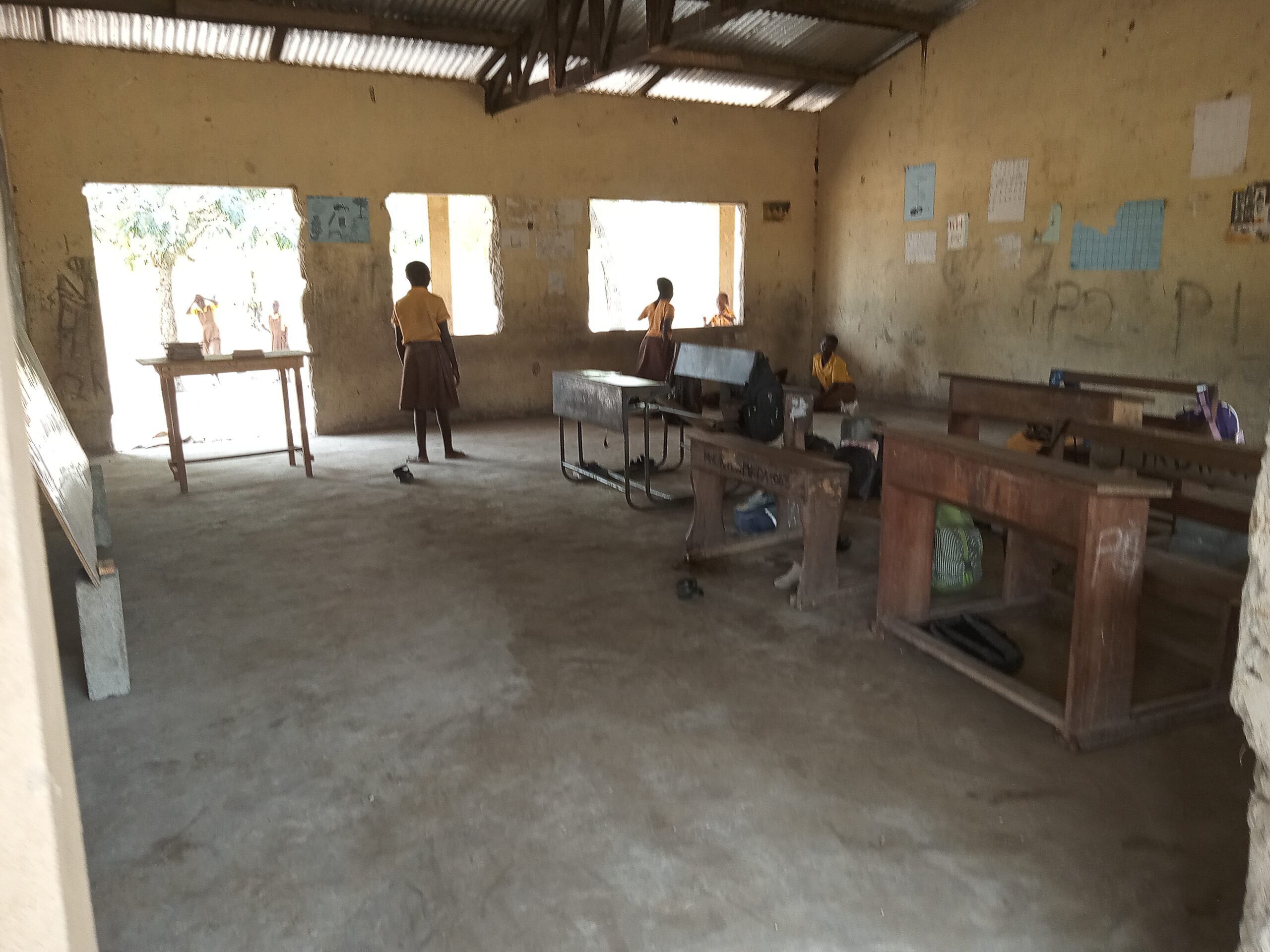
100% of Your Donation Will Go Towards Building the New Kindergarten
A Final Word
Every child deserves a safe, inspiring place to learn.
By supporting this project, you are helping to build not only classrooms, but confidence, opportunity, and long-term change for an entire community.