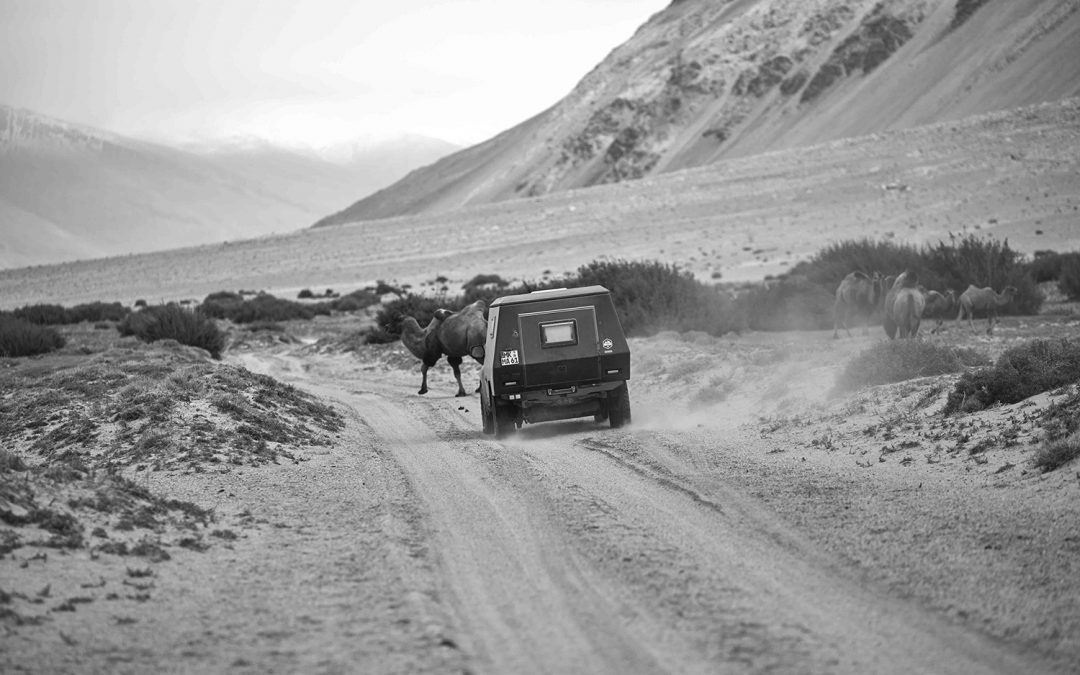
 A BBS expedition entered Afghanistan’s Wakhan Valley via the Pamir Highway, assembling first in Dushanbe, Tajikistan. The international team brought together a range of experience and technical capacity to navigate one of Central Asia’s most remote regions. While expectations were shaped by Afghanistan’s long-standing association with conflict, conditions on the ground presented a markedly different reality.
Wakhan is defined by its geography. High mountain ranges frame the valley, creating a sense of physical isolation and environmental continuity that has shaped life here for centuries. The region’s vast skies and sparse infrastructure contribute to an atmosphere of calm and stability rarely associated with modern perceptions of Afghanistan.
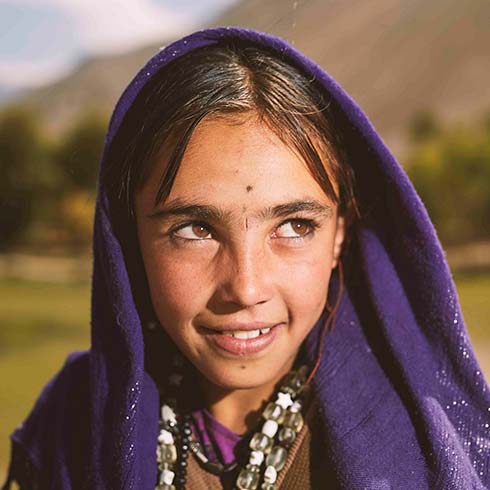
Equally defining are the people of Wakhan. The Wakhi, a predominantly nomadic Ismaili community, have maintained a resilient cultural and social structure despite extreme geographic isolation. Visitors are met with openness and quiet confidence, reflecting a population deeply rooted in place and tradition.
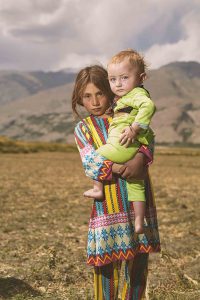 Despite its history as a key corridor along the Silk Road, used by travelers such as Marco Polo, the Wakhan Valley today remains largely disconnected from essential services. Access to healthcare is minimal, food security is fragile, and educational opportunities are severely limited. These conditions are not the result of ongoing conflict within Wakhan, but rather decades of regional marginalization driven by external political narratives and restricted access.
BBS engagement in Wakhan focuses on long-term sustainability rather than short-term intervention. Current efforts prioritize support for education initiatives and the responsible development of adventure tourism, an emerging opportunity that can provide income while preserving cultural and environmental integrity. BBS is working toward partnerships with organizations such as Canadian Women for Women in Afghanistan and local UN mission offices to strengthen these efforts.
Wakhan challenges prevailing assumptions about Afghanistan. It is a region characterized by stability, hospitality, and quiet resilience—one of the most peaceful environments encountered during the expedition. Supporting Wakhan is an opportunity to invest in communities that have sustained themselves for generations and now seek access to the tools needed for a more secure future.
Contributions to this project directly support education and community development initiatives in Wakhan. As a gesture of appreciation, donors will receive our coffee-table book, The Peaceful Afghanistan, documenting the region and its people.
Wakhan stands not as an exception, but as evidence of what endures when communities are allowed to live in balance with their environment and when peace is given the recognition it deserves.