Period poverty is still not talked about nearly enough.
For many people, the term may simply suggest an inability to afford menstrual products. But period poverty is much broader than that. It can involve limited access to appropriate menstrual products, water and sanitation, privacy, information and healthcare, as well as the stigma and social expectations that can make menstruation more difficult to manage.
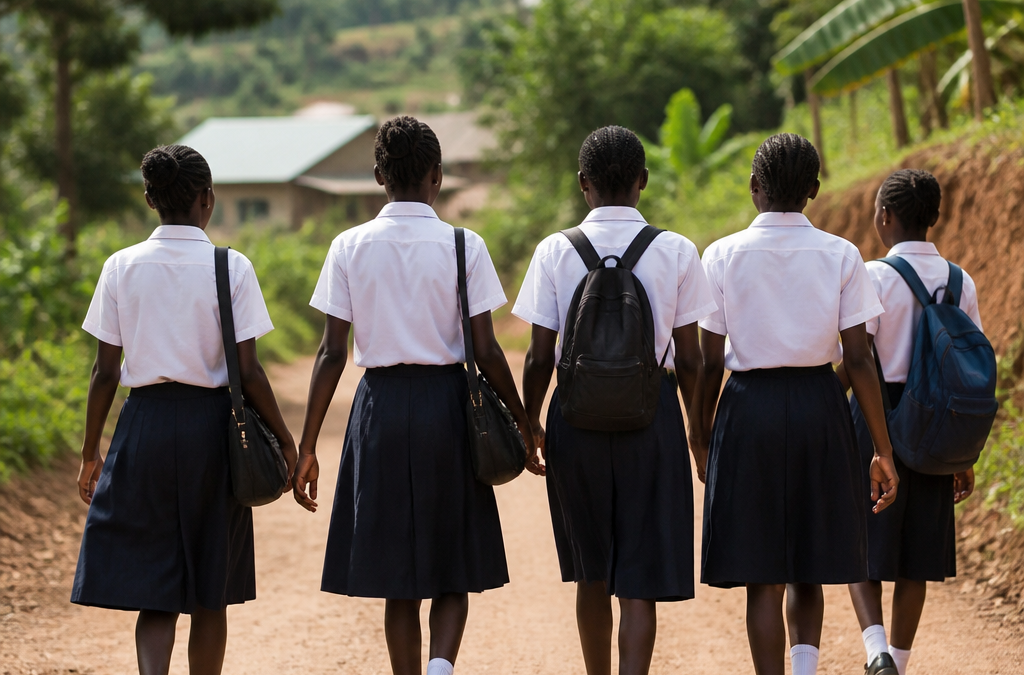
The consequences can be significant. For girls, challenges managing menstruation can affect their ability to attend and participate in school. For women, they can affect work and economic opportunities. Yet in many communities, menstrual health remains an issue that is rarely discussed openly, and reliable data are still limited.
This is one reason we believe it is important to look beyond the immediate question of whether someone has access to a menstrual product. A meaningful response needs to consider the wider circumstances in which women and girls manage their menstrual health.
Our work in this area has also reinforced the importance of listening before developing a solution. Needs are not necessarily the same from one community to another, and solutions that work in one setting may not be appropriate elsewhere.
We are grateful to our local nonprofit collaborators who we worked alongside in developing these initiatives: Remember Youth for Change in the Democratic Republic of the Congo, SPEAK Uganda in the Adjumani settlements, and Laudara Foundation in the Ndegeya region of Uganda.
Real transformation starts at the local level. We believe that when local knowledge, practical solutions and the right partnerships come together, it is possible to address immediate needs while also creating the capacity for change to continue.
Our latest Impact Report looks more closely at period poverty, the evidence behind the issue and what we have learned through our work in menstrual health.